

⚡ TL;DR: Most cosmetic bathroom work in LA does not need a permit. Anything that touches plumbing lines, electrical circuits, or structural elements does. Skipping a required permit can block your home sale, require demolition for inspection access, and create insurance complications. This guide tells you exactly where the line is.
📋 What You'll Learn
A straight answer on the LADBS permit question that most LA homeowners get wrong before starting a remodel.
- The clear line between permit-required and permit-exempt work with a reference table covering the most common bathroom tasks.
- How the LADBS permit process works step by step from application through final inspection and certificate of completion.
- What permits cost in time and money for a typical LA bathroom project.
- What happens when unpermitted work is discovered during a home sale, insurance claim, or city inspection.
- How contractors should handle permit management and what to insist on before signing any contract.
The permit question comes up in almost every bathroom remodel conversation in Los Angeles. Some contractors say you need one for everything. Others say you only need a permit if you move walls. Homeowners hear both and end up confused about what the rules actually require.
The honest answer is straightforward: the scope of work determines whether a permit is needed, not the size of the project or the cost. Some bathroom jobs clearly need permits. Others clearly don't. And a few sit in the middle where the right answer depends on exactly what's being done.
This post covers the real rules as they apply to bathroom remodeling in Los Angeles, explains how the LADBS process works from application to sign-off, and tells you what actually happens when unpermitted work gets discovered.
The Basic Rule: What Triggers a Permit in LA
The Los Angeles Department of Building and Safety requires a permit for any work that affects the structural, mechanical, electrical, or plumbing systems of a building. In bathroom remodeling, that breaks down like this:
Plumbing: Moving a drain, rerouting supply lines, or adding new plumbing connections all require a permit and inspections. Replacing a faucet, showerhead, or toilet using the same connections in the same location does not.
Electrical: Adding a new circuit, installing GFCI protection where none existed, upgrading a breaker, or moving light fixtures to new locations requires a permit. Replacing an existing light fixture in the same box generally does not.
Structural: Any work that involves removing or modifying walls, changing the bathroom footprint, or altering load-bearing elements requires permits and often engineering review.
The common thread is systems work versus cosmetic work. If you're replacing what was there with something new in the same location using the same connections, you generally don't need a permit. If you're changing where things go or adding capacity, you do.
Permit Required vs. No Permit: Reference Table
Use this as a quick reference for common bathroom tasks. When in doubt, ask your contractor for a written answer before work begins.
| Work Type | Permit Required? | Notes |
|---|---|---|
| Moving drain lines or supply pipes | Yes | Triggers plumbing permit and rough-in inspection |
| Replacing toilet, same location | No | No permit if connections stay in place |
| New electrical circuit for outlets or lighting | Yes | Electrical permit and inspection required |
| Replacing light fixture, same box | No | Direct swap, no permit |
| Installing new GFCI outlets | Yes | Required in bathrooms per CA code; permit needed for new installation |
| Removing or altering walls | Yes | Structural review often required |
| Full tile replacement (floor or walls) | No | Cosmetic work; no permit if no plumbing moves |
| Replacing vanity in same location | No | No permit if supply and drain stay in place |
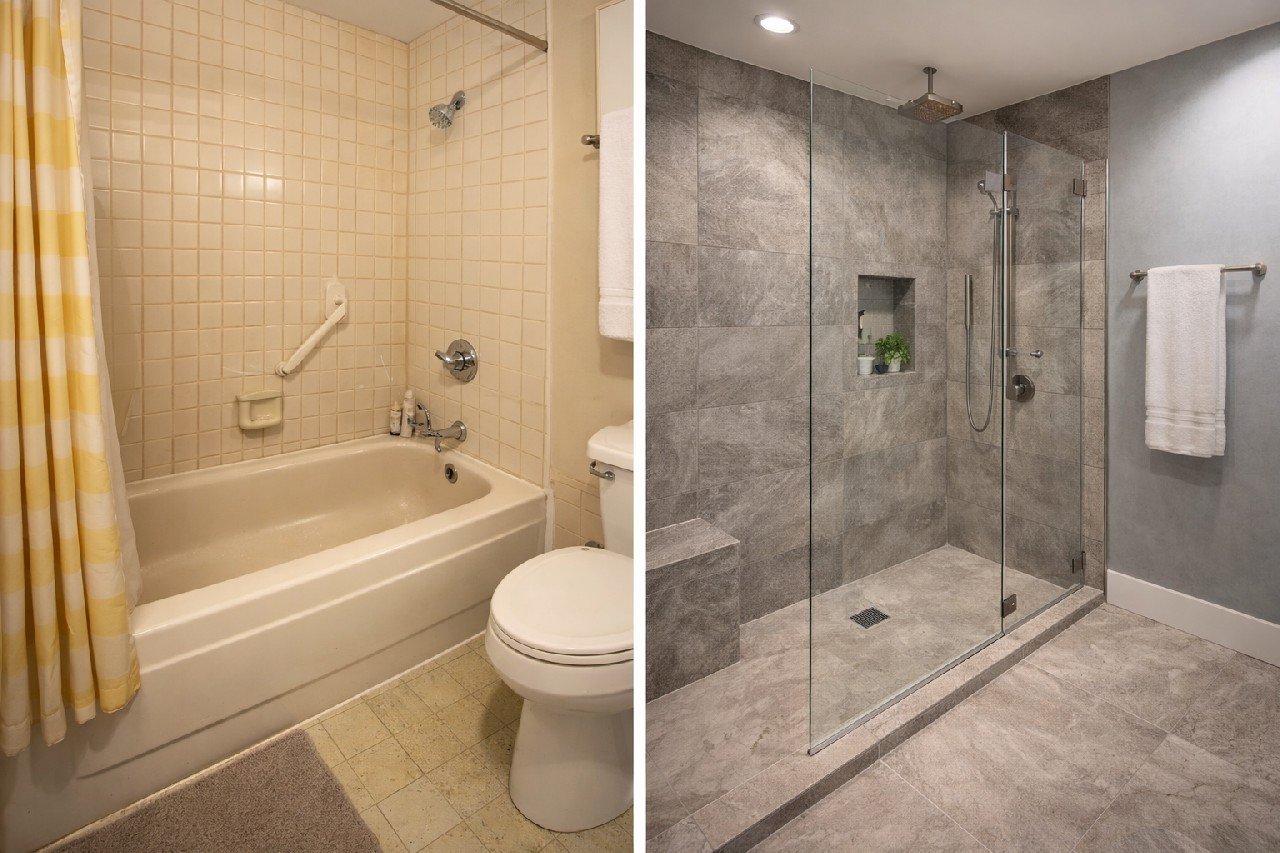
| Shower or tub replacement, same location | No* | *Permit may be required if waterproofing or structural work is involved |
| Exhaust fan installation | Yes | Electrical permit required for new wiring runs |
| Adding bathroom to new location | Yes | Full plumbing, electrical, and structural permits |
| Painting, hardware, mirrors | No | Purely cosmetic, no permit |
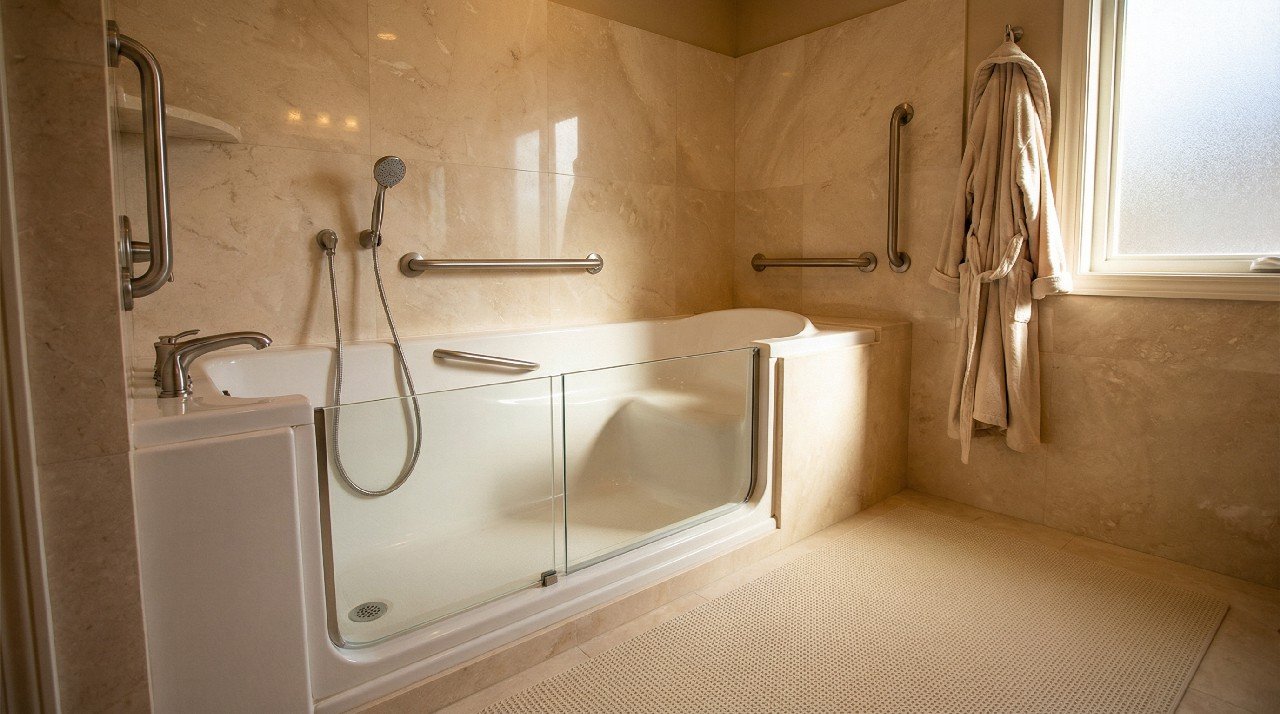
Replacing a shower or tub in the exact same location is technically permit-exempt, but in practice most contractors handling a full shower installation will open the wall for proper waterproofing membrane installation. Once walls are opened and work goes behind them, permits are appropriate. Your contractor should advise you based on the actual scope.
How the LADBS Permit Process Works
The Los Angeles Department of Building and Safety handles permits for all residential construction and renovation in the city of Los Angeles. Here's how the process runs for a typical bathroom remodel:
Your contractor submits a permit application online through the LADBS PermitLA portal or in person at a LADBS office. Standard residential bathroom permits typically take 5 to 15 business days to approve, though simple applications sometimes clear faster. The application includes a description of work and, for more complex projects, plan documents.
Once the permit is issued, work can start. The permit number must be posted at the job site. Demo and rough-in work proceeds first: plumbing lines, electrical rough-in, framing changes if any. Nothing gets closed up until inspections pass.
Before walls are closed, an LADBS inspector visits to verify that all plumbing and electrical rough-in work meets current California code. This is the most critical inspection. If it fails, work stops until corrections are made and re-inspection is scheduled. A good contractor schedules this inspection as soon as rough-in is complete to avoid downtime.
After rough-in inspection passes, walls close and finish work begins: tile, fixtures, vanity, lighting, and all the visible elements of the remodel. The inspector does not need to see this phase, though some complex projects may have additional inspection milestones.
After all finish work is done, the inspector returns for a final walkthrough. They verify that the completed work matches the permitted scope and meets code. Once it passes, a certificate of completion is issued and the permit is officially closed. This document is what protects you during a future home sale.
What Permits Cost in LA
Permit fees for a standard bathroom remodel in Los Angeles typically run between $500 and $2,000 depending on the scope of work and the valuation of the project. Plumbing permits and electrical permits are filed separately and each carry their own fees.
Here's a rough breakdown:
- Basic plumbing permit: $200–$600
- Electrical permit: $150–$450
- Combination permit (plumbing and electrical): $400–$900
- Structural/plan check for complex projects: $500–$2,000+
On top of fees, there's the time cost: permit processing typically adds 5 to 15 business days before demo can start. A contractor who submits the permit application the day you sign the contract eliminates idle time during that processing window. Waiting until project start to apply costs you those same weeks mid-project.
The fee itself is modest. The real cost of permits is the contractor's time managing submissions, scheduling inspections, and being present when inspectors arrive. This is why it's worth asking every contractor whether permit management is included in their quote or billed separately as an add-on.
What Happens With Unpermitted Work
This is where skipping a permit becomes a real problem. Unpermitted work in Los Angeles doesn't disappear quietly. Three situations reliably bring it to light:
Home sale. When a buyer's agent or lender orders permits for a property, unpermitted work shows up in the LADBS record. Buyers can use this to renegotiate the price, demand the work be removed and redone to code, or walk away from the sale entirely. Disclosing known unpermitted work is legally required in California. Sellers who don't disclose it take on significant liability.
Insurance claims. If a bathroom leak or fire causes damage to unpermitted work, your homeowner's insurance may deny the claim on the grounds that the work was not code-compliant. The fine print in most policies includes exclusions for unpermitted construction.
Neighbor complaints or city inspections. If a neighbor or the city notices construction activity or files a complaint, an inspector can require access. Unpermitted work found during this process typically results in a stop-work order, a requirement to open walls for inspection access (at your expense), and correction fees on top of the original permit cost.
A contractor who suggests skipping permits to save you money is shifting the risk entirely onto you. The permit fee is $500 to $2,000. Getting caught with unpermitted work during a home sale can cost $5,000 to $30,000 in price reductions, remediation work, and legal exposure. It's not a trade worth making.
What Your Contractor Should Handle
On any full bathroom remodel that involves plumbing or electrical work, your contractor should:
- Identify which permits are required for your specific scope at the consultation stage, in writing
- Submit permit applications before demo starts, not during or after
- Include permit fees as a clear line item in the quote, not as a vague "and permits if needed"
- Schedule LADBS inspections and be present when inspectors arrive
- Provide you with the certificate of completion when the permit closes
A contractor who says "we usually don't bother with permits for this type of job" is not protecting you. That phrase should end the conversation.
Our network handles permit management as a standard part of every qualifying project. You don't deal with LADBS directly at any point. If you want to understand how this fits into overall project costs, the bathroom remodel cost breakdown for Los Angeles covers permit fees alongside labor and materials. You can also use the cost calculator to estimate your project before calling.
Final Thoughts
The permit question has a straightforward answer once you know where the line is. Cosmetic work in the same location: no permit. Plumbing moves, electrical changes, structural work: permit required. Following that rule protects your investment, keeps your insurance coverage intact, and makes your home easier to sell when the time comes.
If you're not sure whether your specific project needs a permit, the safest approach is to ask before work starts rather than after. We connect LA homeowners with vetted contractors across all of LA County who handle permit management as part of the job. Call (866) 982-1589 for a free consultation.
People Also Ask
Do I need a permit to remodel a bathroom in Los Angeles?
It depends on the scope. Work that involves moving plumbing lines, adding or modifying electrical circuits, or making structural changes requires a permit from LADBS. Cosmetic work such as replacing a vanity in the same location, re-tiling, painting, or swapping fixtures without moving any connections typically does not require a permit.
How do I get a bathroom remodel permit in Los Angeles?
Permits are issued by the Los Angeles Department of Building and Safety through the PermitLA portal online or at a LADBS office in person. Your licensed contractor submits the application with a description of the work scope. Most residential bathroom permit applications are approved within 5 to 15 business days. Your contractor should handle all of this on your behalf.
How much does a bathroom permit cost in Los Angeles?
Permit fees for a standard bathroom remodel typically run $500 to $2,000 depending on the scope and the project valuation. Plumbing permits and electrical permits are filed and billed separately. Complex projects requiring plan check review cost more. Permit fees should always be listed as a clear line item in your contractor's quote.
What happens if I remodel a bathroom without a permit in Los Angeles?
Unpermitted work can block a home sale when buyers or lenders pull permit records through LADBS. It can also result in insurance claim denials for damage to unpermitted work, and if the city discovers it through a complaint or inspection, you may be required to open walls for inspection access at your own expense and pay correction fees on top of the original permit cost.
Does replacing a shower require a permit in Los Angeles?
Replacing a shower in the exact same location using the same plumbing connections is technically permit-exempt. However, most complete shower replacements involve opening walls for proper waterproofing installation, and once work goes behind walls it is appropriate to pull a permit. Your contractor should advise you based on the actual scope of the work.
Richard Dorsey founded LA Bathroom Remodel to connect Los Angeles homeowners with vetted local contractors who understand LADBS requirements, local building codes, and the specific challenges of remodeling homes across Southern California.
Need Help With Permits on Your Remodel?
We connect LA homeowners with vetted contractors who handle LADBS permits from application through final inspection. Free consultation, no obligation.
Call (866) 982-1589